
HaloGrip: Where It Started

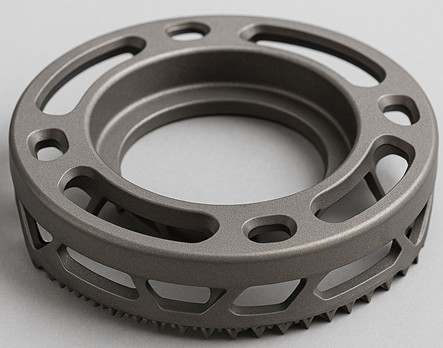
Early HaloGrip concept component showing a circular stability ring for gas canister camp stove grounding and control.

I don’t know exactly where HaloGrip is going
I just know where it started

One small idea
One uncomfortable feeling
One problem that didn’t feel dramatic enough to be called a problem, but never felt calm enough to ignore

So I started building

Early HaloGrip concept component showing a circular stability ring for gas canister camp stove grounding and control.

AI generated render of first concept

Right now, I’m focused on one core idea
Creating a grounded base for gas canister stoves so a cooking setup feels intentional instead of fragile

But this idea hasn’t stayed small in my head
It’s already evolved from a simple “set your canister here” device into a mountable plate hub with an interface that fits over the top of the gas canister

I’m not even sure I can call it modular yet if there’s only one attachment
But that’s the direction

So here’s the honest part

This isn’t a finished idea or a promise
It’s a direction

The plan is simple
Launch the HaloGrip hub and stove attachment on Kickstarter March 1

After that, the future could mean interfaces for almost anything
A cup holder that doesn’t live in your chair
A camera mount that doesn’t fall over
A way to attach gear without putting it on the ground
A stable connection point for real camp setups, not perfect Instagram ones

Real-world stability

I’m not pretending I know exactly where it goes yet

I’m building it in public
Learning in real time
Testing
Breaking things
Fixing them
Changing my mind when it makes the system better, not messier

And I actually like that

Because this isn’t about pretending I have a master plan

It’s about solving a feeling I already had and just accepted as normal

Hovering near a stove instead of relaxing
Repositioning a pot six times
Thinking “this feels sketchy” and cooking anyway

That’s why I’m building HaloGrip

If someone ends up here and actually reads this far, I want your ideas
Your weird concepts
Your “have you thought about this” messages
Your experiences

I’m building this for real people
I’m a nurse at heart
My goal is to make things feel easier, safer, and calmer in the real world

So I’m here
And I’m listening

And this is just the beginning
 

Hiker on a scenic mountain trail surrounded by wildflowers, trees, and alpine peaks during a backcountry hike.

Lex, BSN, RN
co-Founder

The Hidden Mental Tax of “Just Being Careful”

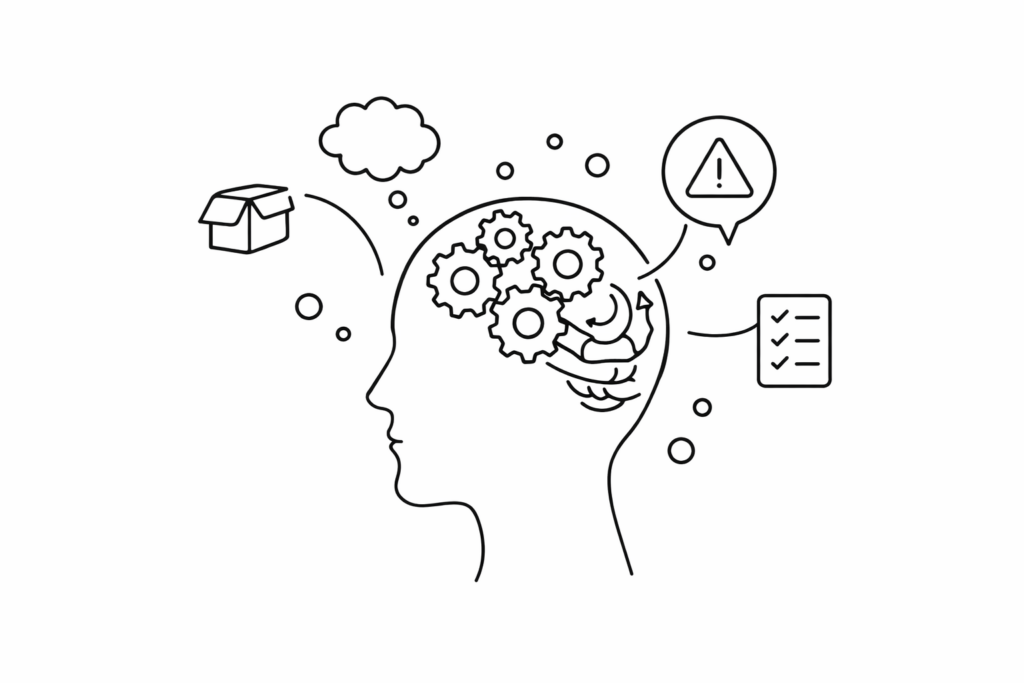
Minimal black-and-white line illustration representing mental load and constant vigilance.

Why Does Camp Cooking Feel Like a Low-Level Stress Test

Nothing is actively wrong.

And yet.

You’re cooking.
The stove is technically stable.
The pot is fine.
Everything is fine.

So why are you standing like this 🧍‍♀️
Two inches closer than necessary.
Hands hovering.
Body angled.
Ready to intervene.

You’re not afraid.

You’re just… alert.

You don’t sit down.
You don’t turn your back.
You definitely don’t wander off.

You stay.
You watch.
You babysit.

Not because something will happen.
But because something could.

This is not anxiety.

This is unpaid mental labor.

Camp cooking has this weird way of turning adults into anxious line cooks.

You stir while scanning for danger.
You glance at the wind.
You clock where everyone is standing.
You quietly move things “just in case.”

You’re running background processes.

And everyone acts like this is normal.

“Just be careful.”
“Just keep an eye on it.”
“It’s fine, I’ve done this a million times.”

Cool.
Then why does it feel like you’re diffusing a bomb made of boiling water.

Nothing dramatic happens.

Which is kind of the problem.

Because when nothing goes wrong, no one notices how much energy it took to make that true.

You didn’t relax.
You managed.

You held the moment together with attention.

This is the part nobody talks about.

Not danger.
Not failure.
The maintenance.

The constant low-grade focus required to keep things feeling okay.

Outdoors is supposed to give your brain a break.

But some setups quietly demand your attention the entire time.

They don’t fail.
They just never let you disengage.

That’s the tax.

Not spills.
Not burns.

The fact that you can’t mentally step away.

If you’ve ever felt more tired than expected after doing something “easy” outside, this is why.

Your body was resting.
Your brain was on duty.

This isn’t about fear.

It’s about how much energy it takes to stay ready.

And once you notice it, you can’t un-notice it.

That’s it.
That’s the whole thought.

No solution.
No pitch.

Just… why are we all pretending this part doesn’t exist.

Hiker on a scenic mountain trail surrounded by wildflowers, trees, and alpine peaks during a backcountry hike.

Lex, BSN, RN
co-Founder

Why Camp Stoves Tip Over (and What Actually Helps)

This is my first blog post. Ever.

Gas canister stoves have personally wronged me.

So let’s talk about them.

If you’ve ever set a pot down and felt that tiny wobble, you know.
Not a spill.
Just enough movement to make you stand a little closer than you wanted to.

Outdoor cooking is not a controlled environment.
It’s uneven ground. Soft dirt. Wind. Someone stepping too close. A dog tail. A kid who appears out of nowhere like a jump scare.

Stove tip-overs are not bad luck.
They’re patterns.

Almost every tip-over starts the same way.

The ground is almost flat.
The pot is taller than it needs to be.
Someone bumps the setup.
Wind decides to participate.
The stove is in the middle of everything.

None of this feels dramatic.
Until it is.

You don’t need a perfect campsite.
You need a setup that assumes chaos.

Placement matters more than people think.

Avoid rocks that look stable but aren’t.
Face the stove so you’re not leaning over it like you’re guarding it.

Quick test.
Empty pot. Light tap.

If it moves, fix it now.
Later is how spills happen.

Pots change everything.

Wider pots behave better.
Tall narrow pots are drama.

Add heavy ingredients early.
Stir like you care about your dinner.

If you only change one thing, change the pot.

Wind is not just a flame problem.

Wind pushes pots.
Not gently.

Cook behind something when you can.
Use a stove-safe windscreen.
Move like you’re cooking, not fencing.

If the wind moves you, it’s moving the stove.

Most stove accidents are social.

Someone reaches.
Someone steps back.
Someone trips.

Create a no-bump zone.
Put the stove out of foot traffic.

Say it once.
“Stove zone.”

You’ll feel silly.
It works.

Footprint isn’t anchoring.

Clip-on stabilizer legs help.
Until the ground is soft. Or sloped. Or someone bumps the setup.

They spread weight.
They don’t anchor.

That’s the moment my brain went.
Why is this still the solution.

Stability should not depend on perfect ground.
Or perfect behavior.

It should be built in.

That’s why HaloGrip exists.

→ Learn about the HaloGrip stability system

A stable setup feels different.

You can stir without bracing.
The pot feels planted.
Wind doesn’t push you toward the flame.
You aren’t hovering.
People can move around camp.

If your setup doesn’t feel like this, it’s not you.
Most systems weren’t designed for stability-first cooking.

If you found this by googling in frustration.

If you searched things like:

  • camp stove keeps tipping

  • camp stove with kids

  • how to stabilize a camp stove on uneven ground

Same.

You’re exactly who we’re building for.

→ Get notified when HaloGrip launches
Short form. Early access. No spam.

Want the mechanical version of this.
→ How HaloGrip works

Hiker on a scenic mountain trail surrounded by wildflowers, trees, and alpine peaks during a backcountry hike.

Lex, Bsn, RN
co-Founder